Aloha Cannabis LabsHemp-Derived · Educational 21+
Aloha Cannabis Labs

Hemp-derived cannabinoids, explained calmly.

We started Aloha Cannabis Labs not to build a business, but to help a loved one — and along the way we learned how confusing this world can be. This is the plain-language guide we wish we'd had: what these products are, how they're made, and how to tell good from bad.

By the end, you'll actually understand what's in the bottle.
A fresh green hemp leaf and botanical greenery resting on warm cream linen beside a glass of water

How to use this guide. Read it top to bottom for the full picture, or jump to a section. Every part opens with a one-sentence short answer, so even skimming the headings will leave you better informed. Nothing here is a sales pitch and nothing here is medical advice — it's orientation for curious, careful adults.

Part 1 · The big picture
Start here

The whole landscape in four calm steps

Before any detail, here's the shape of the thing. Hold these four ideas and the rest of the page clicks into place.

Step 1

Hemp is a legal definition, not a feeling

Under the U.S. 2018 Farm Bill, "hemp" means cannabis with no more than 0.3% delta-9 THC by dry weight. That single number is what legally separates hemp from marijuana — even though both come from the same plant.
Step 2

The cannabinoids are extracted and refined

From the plant, makers pull out an extract — usually a distillate or live resin — that concentrates the cannabinoids. This is the "oil" inside a cartridge or the active part of a gummy.

Step 3

A lab proves what's actually inside

A trustworthy product is tested by an independent lab. The result is a Certificate of Analysis (COA) — the receipt that shows potency and that contaminants aren't present.

Step 4

Legality and good sense are local

What's allowed varies by state and country, and changes often. Being of legal age and checking your own local rules is the part no brand can do for you.

Part 2 · How it's made
The plant

What are hemp-derived cannabinoids, really?

Short answer: they're compounds taken from the hemp plant — like CBD, and in some products THC-family cannabinoids — concentrated into an oil or infused into an edible.

Cannabis makes dozens of active molecules called cannabinoids. Hemp is simply cannabis bred to stay under the legal 0.3% delta-9 THC line, so brands work with what hemp naturally offers and what can be refined from it. The extract is the heart of every product — everything else is delivery and flavor.

Remember: "hemp-derived" describes where a compound came from and its legal status — not how strong or mild it feels.
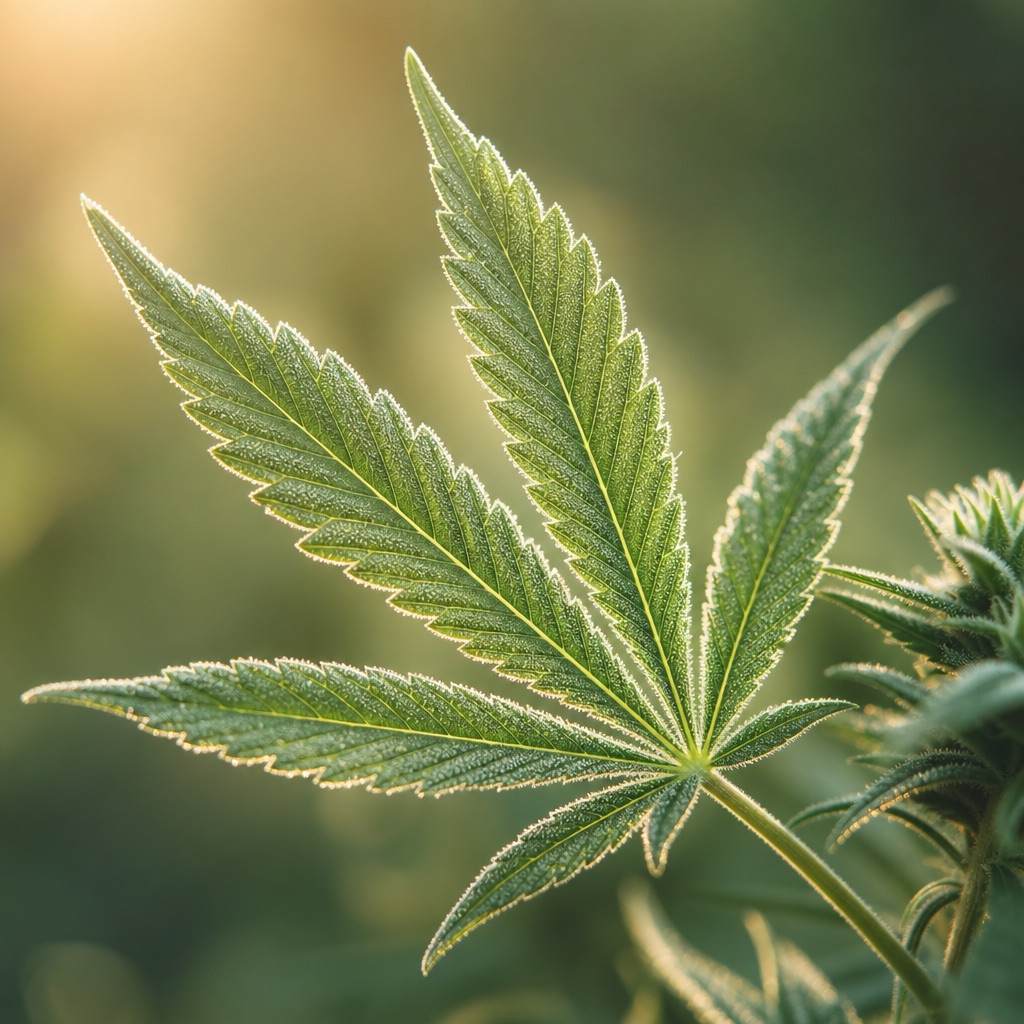
Macro photograph of a healthy hemp leaf with visible trichomes, backlit by soft light
Distillate & live resin

How does the oil inside a cartridge get made?

Short answer: the plant is extracted into a concentrated oil — either a highly refined distillate or a flavor-rich live resin — and then terpenes are added for aroma.

Distillate is purified through repeated extraction until one cannabinoid is highly concentrated; it's nearly flavorless on its own, so makers blend terpenes back in. Live resin takes a different path: the plant is flash-frozen to preserve its natural terpenes and fuller character. Neither is automatically "better" — they're different trade-offs between purity and full-plant flavor.

Remember: if a cartridge lists a sky-high purity but won't show a COA, the number means nothing you can trust.
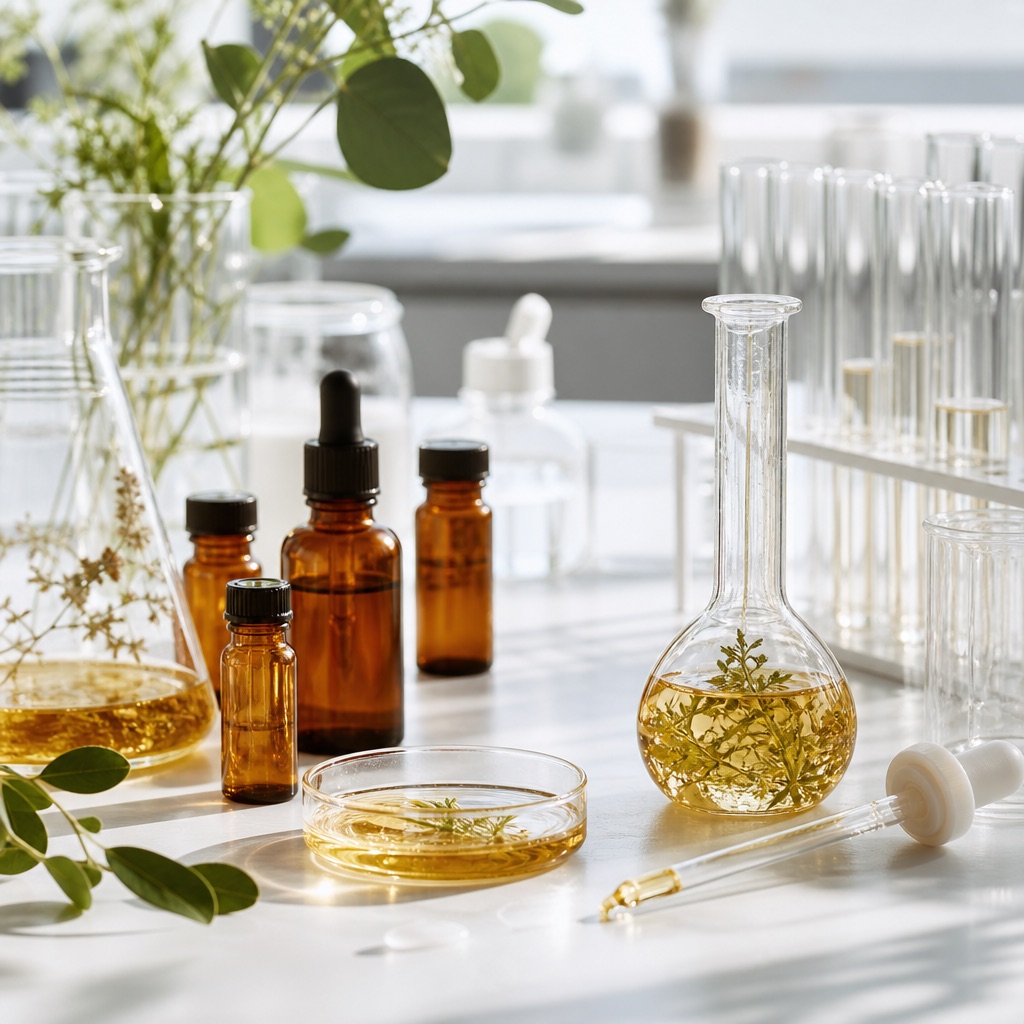
Clean laboratory still life with amber vials, glassware and golden botanical extract
Terpenes

What do terpenes do?

Short answer: terpenes are the aroma compounds — the same family that makes citrus smell like citrus and pine smell like pine — and they shape a product's flavor and character.

You already know terpenes from everyday life: the brightness of lemon peel, the calm of lavender, the sharpness of black pepper. In hemp products they're what makes one cartridge taste like fresh citrus and another like earthy pine. Some are original to the plant; in distillate products they're often blended back in after refining.

Remember: "natural" terpenes and generic flavoring are not the same thing — a good COA or product page will say which.
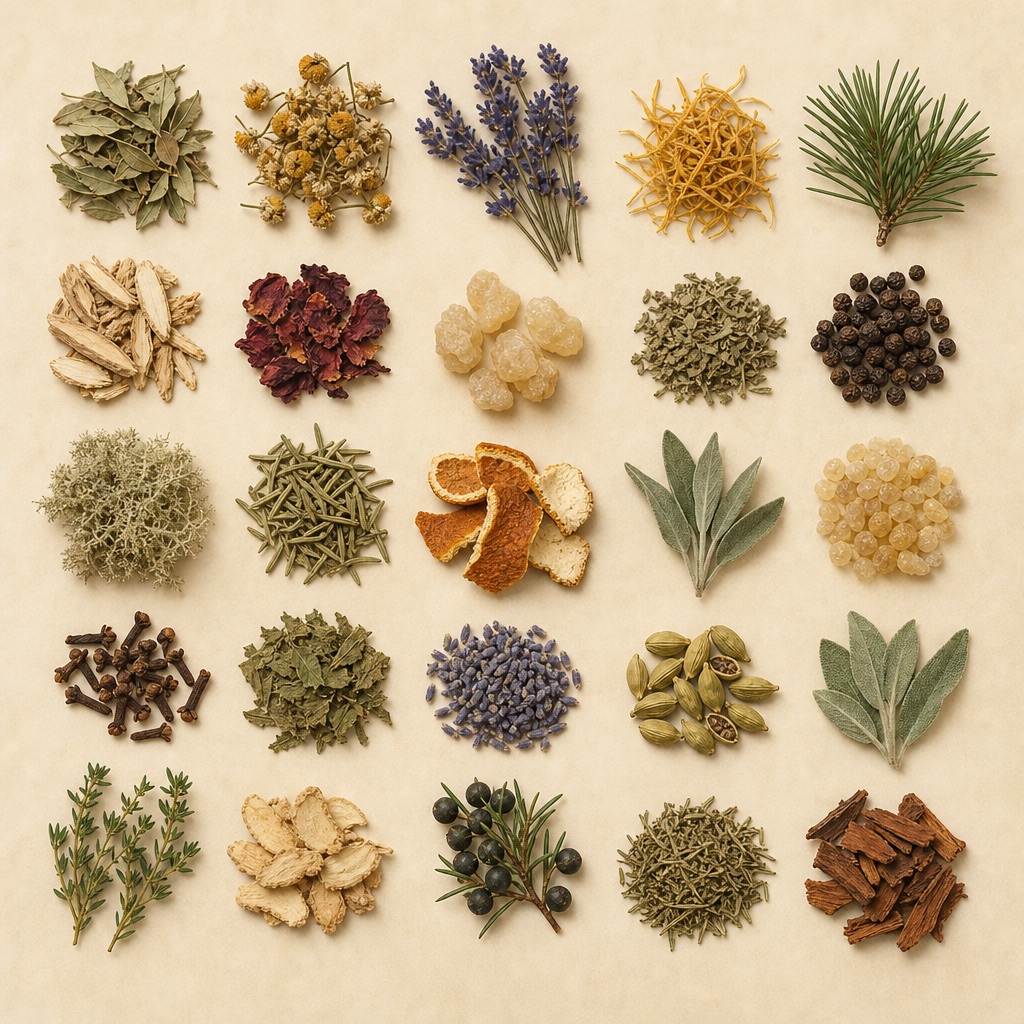
Top-down flat lay of dried citrus peel, peppercorns, lavender and pine sprigs on cream paper

"Our goal was simply to help a loved one. Everything we learned since, we'd rather share than sell."— The Aloha Cannabis Labs story

Part 3 · Lab testing
The most important page in this world

How do you read a Certificate of Analysis?

Short answer: a COA is a lab's receipt for a product — it should be recent, from an independent lab, match the batch on your product, and show that contaminants were tested for and not found.

If you remember one thing from this whole guide, make it this: the COA is how a careful adult separates a real product from a risky one. Here's what each part means, in plain words.

On the COA you'll see…In plain terms
Cannabinoid potencyHow much of each cannabinoid is actually present — the real strength, not the marketing claim.
PesticidesConfirms farm chemicals aren't in the product. You want to see "not detected" / pass.
Heavy metalsLead, arsenic and others can accumulate in plants and hardware. Should pass.
Residual solventsLeftovers from extraction. A clean process leaves little to none.
MicrobialsMold, yeast and bacteria screening — especially relevant for anything inhaled or eaten.
Batch & dateThe batch number should match your product, and the test should be recent.
In plain terms: a COA is the product's lab report card. No COA, no trust.

A quick checklist before you trust any product

  • The COA is from an independent, accredited lab — not the brand's own bench.
  • It's recent — old reports may not reflect the batch in your hand.
  • The batch number matches the product packaging.
  • It covers contaminants, not just potency — pesticides, metals, solvents.
  • The results are easy to find — a brand proud of its testing makes it visible.
  • Nothing reads as "variable" or vague where a real number should be.
Overhead view of a hand reviewing a printed lab report with a magnifying glass beside a small plant
Part 4 · Our collection, in concept
Aloha Cannabis Labs

The product families we explore

Short answer: these are the categories Aloha Cannabis Labs is built around. We describe what each format is and how to think about it — this page doesn't sell or ship anything.

Different formats suit different people and different moments. Here's how each one works, presented as a guide rather than a storefront — no prices, no checkout, no claims about effects.

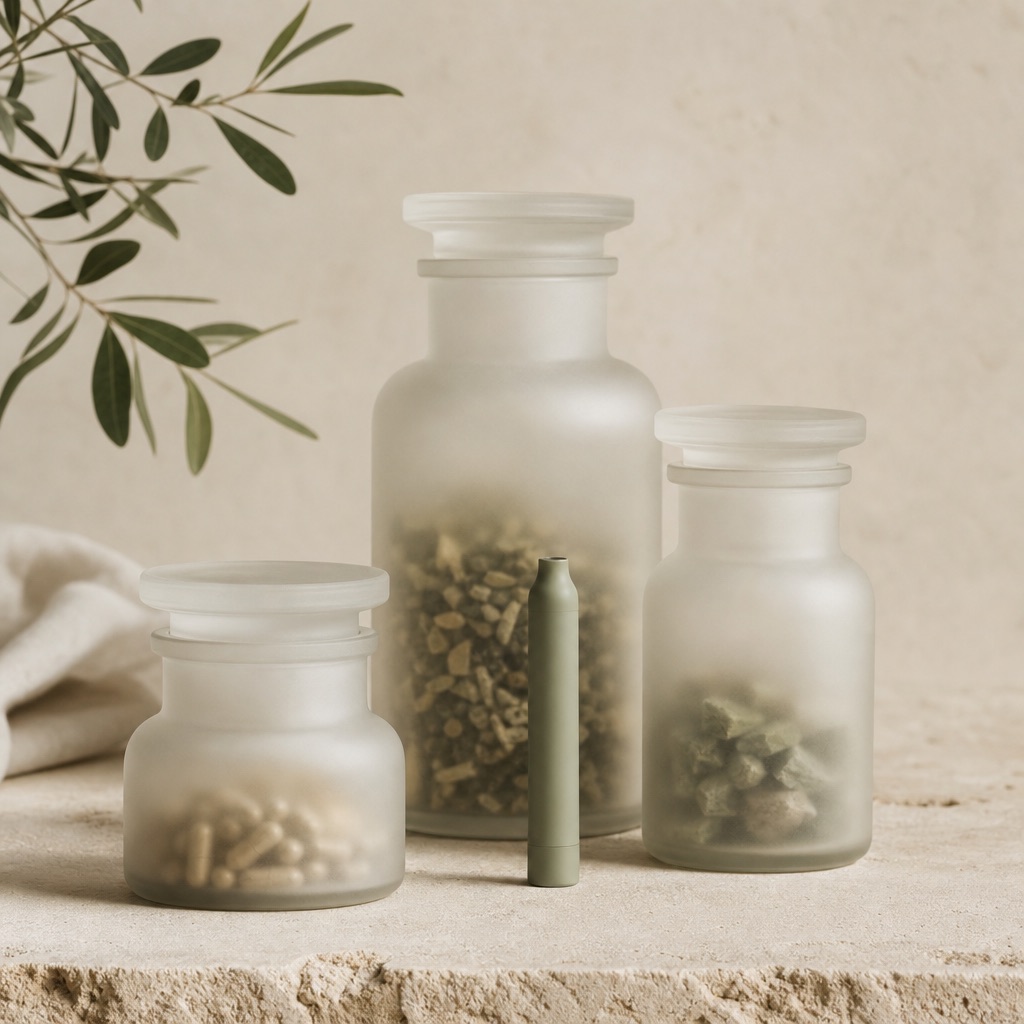
Slim cartridge-style cylinder among frosted glass jars on a warm stone surface
Cartridge

1 ml cartridge with a natural hemp tip

A compact, refillable-style format that pairs with a battery. The "natural hemp tip" is about the mouthpiece material. Cartridges are about portability and a measured draw.

Amber glassware representing concentrated botanical extract
Disposable

2 ml box-shape disposable

An all-in-one device — nothing to refill or charge separately. A flat "box" shape is simply ergonomics. Think of it as the no-setup option in the family.

Botanical aroma ingredients arranged on cream paper, representing infused edibles
Edible

Infused cannabis gummies

An eaten format rather than an inhaled one. Edibles behave very differently — they take longer to take effect, so patience and a clear, labeled amount matter more here than anywhere.

Microfeel Technology. "Microfeel" is the name Aloha Cannabis Labs uses for its approach to its 1 ml format — the idea of a more consistent, reproducible blend rather than something that varies batch to batch. Consistency is exactly what a good lab report is meant to confirm.
Part 5 · Responsible, adult use
For careful grown-ups

What does responsible use actually look like?

Short answer: know your local law, start low and go slow, never mix with driving, keep everything away from kids and pets, and skip it entirely if you're pregnant, nursing, or on medication without a doctor's okay.

Calm ground rules

  • Be of legal age and confirm these products are legal where you are.
  • Start low, go slow — especially with edibles, which can take a while to be felt.
  • Never drive or operate machinery under the influence.
  • Store safely, sealed and clearly out of reach of children and pets.
  • Choose tested products — let the COA, not the packaging, earn your trust.
If something feels wrong: effects can be stronger or last longer than expected, particularly with edibles. Find a calm space, hydrate, and don't add more. If you're seriously concerned about yourself or someone else, contact your local emergency number right away. In the U.S., the Poison Help line is 1-800-222-1222.
Calm sunlit table with herbal tea, an open notebook, a wool throw and a hemp sprig

Who should simply skip it

Some people shouldn't use these products at all. If you're pregnant or nursing, under the legal age, taking medication that could interact, or managing a health condition, talk to a qualified healthcare professional first — or don't use them. There's no prize for pushing past your own comfort.

This is the part of the guide that isn't about products at all. It's about treating yourself, and the people around you, with a little care.

Part 6 · Common questions
Straight answers

Questions careful people ask

Is this the same as marijuana?

Legally, no. "Hemp" is defined in the U.S. 2018 Farm Bill as cannabis containing no more than 0.3% delta-9 THC by dry weight; above that line it's classified as marijuana. Both come from the same plant species, but that THC threshold is what separates them under federal law. State and local rules can differ and change, so your own jurisdiction always has the final word.

Are hemp-derived products legal where I live?

It depends entirely on your state or country, and the rules have been shifting. The 2018 Farm Bill removed hemp from the federal Controlled Substances Act, but it preserved the FDA's authority to regulate these products, and many states add their own restrictions — some specifically limiting intoxicating hemp products. Checking your current local law is a step only you can take, and we'd encourage you to take it seriously.

Why does a COA matter so much?

Because the label alone can't be verified by you, but a lab report can. A Certificate of Analysis from an independent, accredited lab shows the real potency and confirms that contaminants like pesticides, heavy metals and residual solvents were tested for. A recent COA whose batch number matches your product is the single best signal that what's inside is what's claimed.

What's the difference between distillate and live resin?

Distillate is highly refined to concentrate a cannabinoid and is nearly flavorless until terpenes are blended back in. Live resin is made from flash-frozen plant material to keep more of the plant's natural terpenes and fuller character. One leans toward purity, the other toward full-plant flavor — neither is universally "better."

Does Aloha Cannabis Labs sell products on this site?

No. This site is an educational resource about hemp-derived cannabinoids and the Aloha Cannabis Labs approach. There's no cart, no checkout, no pricing and no shipping here, and nothing on this page should be read as an offer to sell. We don't make claims about treating, curing or preventing any condition.

Is any of this medical advice?

No. Everything here is general education for adults. It is not medical, legal, or health advice, and it's no substitute for a conversation with a qualified professional about your own situation. The efficacy of these products has not been confirmed by FDA-approved research, and they are not intended to diagnose, treat, cure or prevent any disease.

Where this comes from

Sources & further reading

  1. U.S. Food & Drug Administration — FDA Regulation of Cannabis and Cannabis-Derived Products, Including Cannabidiol (CBD). fda.gov
  2. U.S. Food & Drug Administration — Hemp Production and the 2018 Farm Bill (congressional testimony, 2019). fda.gov
  3. Agriculture Improvement Act of 2018 (the "2018 Farm Bill") — statutory definition of hemp (≤0.3% delta-9 THC, dry weight).
  4. Congressional Research Service — Changes to the Statutory Definition of Hemp and Issues for Congress. congress.gov
  5. General industry references on distillate, live resin, terpenes, and Certificates of Analysis (independent third-party lab testing for potency and contaminants).
  6. Poison Help (American Association of Poison Control Centers), U.S. — 1-800-222-1222.

Important legal & safety notice

Adults 21+ only. This website is intended solely for adults of legal age in jurisdictions where hemp-derived cannabinoid products are legal. By using this site you confirm you meet those conditions.

Educational, not commercial. This is an informational resource. It does not sell, offer to sell, or ship any product, and it lists no prices. Nothing here should be taken as an inducement to purchase or use any product.

Not medical, legal, or professional advice. Content here is general information only and is not a substitute for advice from a qualified healthcare provider or attorney. Cannabis and hemp laws vary by location and change frequently — you are responsible for knowing and following the laws where you live. Consume responsibly; never drive or operate machinery under the influence; keep all such products away from children and pets.

FDA Disclosure Statement

The efficacy of these products has not been confirmed by FDA-approved research. These products are not intended to diagnose, treat, cure or prevent any disease. These products should not be used if you are pregnant or nursing.